

What is a dental implant?
An implant is something you can compare to a screw in wood. The more bone you have to support the implant, the better the foundation. The implant has a surface designed to allow your own bone to heal around it and provide stability.
That healing can take around three months, although the timing varies. Once the implant has healed and is stable enough, we can connect a piece on top called an abutment and then place the crown. Technically, there are surgical and restorative stages of the implant procedure.
If it's in the back, we may not need to put in a temporary tooth. Of course, if it's in the front, we'll discuss temporary options with you. There are different types that we can choose from, including a removable temporary option. If you're an appropriate candidate for an immediate temporary crown, that may also be an option. We can explain those choices to you, especially if the missing tooth is in the front.
Is there downtime after dental implant surgery?
A lot of times, if it's just one or two implants, the downtime can be relatively short. Some of my patients are able to return to their usual activities quickly and tell me they only needed limited pain medication afterward. Your experience can vary depending on the procedure and how you heal.
One of the ways we plan implant placement is with a surgical guide. We measure and plan the implant position ahead of time, and the surgical guide helps us carry out that plan during the procedure. In appropriate cases, guided implant placement can make the procedure more efficient.
I've had patients in their 70s tell me afterward that the experience was easier than they expected. I have one 72-year-old patient who had two implants placed and was excited to share her experience. Testimonials like that can help patients understand another person's experience, although everyone's procedure and recovery can be different.
If you're on the fence and still thinking about it, please give us a chance to explain it to you. We do a lot of implants here. We also have our own lab, which can help us with certain parts of the treatment process, including temporary restorations. I'm also happy to provide second opinions, and we're here to help you understand your options.
Why choose dental implants for missing teeth?
Implants are like a screw that we put in bone, which you can think of like wood. The amount and quality of bone available are important because that bone provides the foundation for the implant.
Dental implants are one option for replacing missing teeth. They're designed to look and function similarly to natural teeth, and the implant itself can't develop a cavity. However, the tissues around an implant still need regular care and maintenance.
If a natural tooth has a questionable long-term prognosis, we can discuss the available options with you, including whether the tooth can be treated or whether replacing it with an implant may be appropriate. The decision depends on the condition of the individual tooth and your overall treatment needs.
What is recovery like after dental implant surgery?
There's often not a lot of downtime when we're only doing a few implants. Some of my patients tell me they don't need much time off and return to their usual activities fairly quickly. Other patients may need more recovery time depending on the number of implants, whether bone grafting was performed, and how they heal.
I always ask patients how they did afterward because it gives me a good feel for their recovery. For patients who are scared, it can also help to hear about previous patients' experiences. But everyone's recovery is individual, so we'll talk with you about what to expect based on your particular procedure.
How much do dental implants cost?
The cost varies depending on the individual case. Some patients need additional bone grafting, especially if the tooth was lost years ago and there has been bone loss. Other factors can also affect how straightforward the implant replacement will be.
If you're considering implants, want a second opinion, or simply want to find out if you're a candidate, come in for a consultation. We can evaluate the area and explain the treatment that may be needed and the associated costs.
What are the stages of dental implant treatment?
The first part is record-taking and treatment planning. We take a 3D X-ray so we can evaluate the bone and surrounding anatomy. We also take digital scans instead of the traditional impression material in many cases. We can use that information to plan the implant and, when appropriate, create a surgical guide.
After the implant is placed, we allow time for healing. That may be around three months, or sometimes longer if additional bone grafting was needed. We schedule follow-up visits so we can evaluate the implant and determine how well it's integrating with the bone.
Once we determine that the implant has healed appropriately and is stable enough, we can move into the restorative phase. That's when we work on the abutment and the replacement tooth that will go on top of the implant.
Do you offer full-mouth dental implants?
We also provide full-mouth treatment with what we call All-on-X implants. Instead of a traditional removable denture, this treatment uses dental implants to support a fixed full-arch restoration.
This type of treatment is for specific cases, including some patients with what we call terminal dentition, where the remaining teeth have a poor prognosis because of problems such as significant bone loss, decay, or other extensive damage. We assess your teeth, bone, health, and overall treatment needs to determine if you're a candidate. We don't normally recommend this type of treatment unless we believe it's appropriate for your situation.
You're never alone in caring for your dental health. At Smile Dental Center Inc, our team is here to support and meet you where you are in your dental journey. Call (808) 515-4222 or email info@smiledentalcenterinc.com to connect with us today.
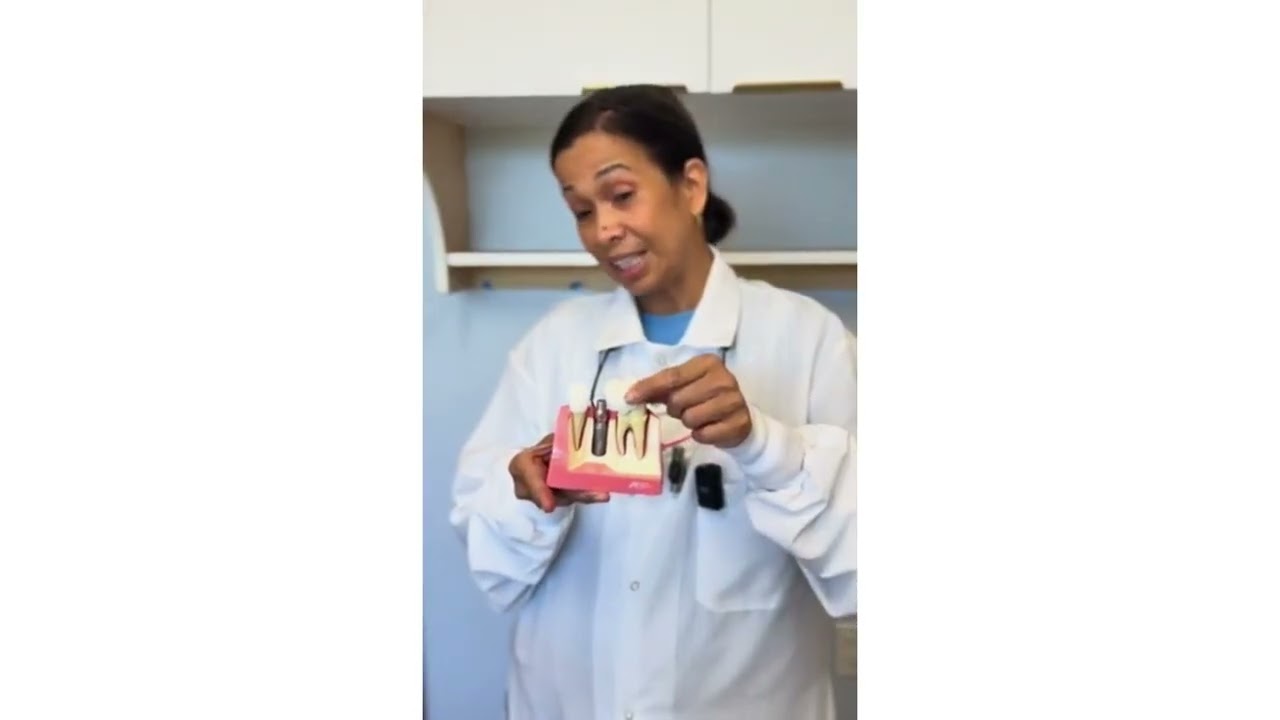
How we make dental implants
This is how we make dental implants. First, we place the titanium implant into the bone. You can think of it almost like placing a screw into wood. Then, over the next three to four months, your bone heals around the implant and helps stabilize it. After that, we connect what we call the abutment, and then we place the crown on top of it. The goal is for this crown to look, feel, and function much like your natural tooth.
Are dental implants easy to maintain?
Dental implants are generally easy to maintain. You need to keep the area clean with good brushing and flossing and, of course, come in for your regular dental visits so we can continue to monitor the implant and the surrounding tissues.
What if a missing tooth is in the back and doesn't show?
Some patients say, "Oh, it's a back tooth. It doesn't matter. It's not going to show when I smile." But problems can develop when a missing tooth isn't replaced. The surrounding teeth can begin to shift into that open space, which can make the area more difficult to clean. The opposing tooth can also begin to move into the space where the missing tooth used to be.
Over time, these changes can create additional dental problems. I've seen patients eventually lose more teeth and need additional treatment. That's why it's important to evaluate a missing tooth and talk about your replacement options before it gets to that point.
Permanent replacements for missing teeth
Dental implants look, feel, and work like the real thing. We place them in-house, so the whole process happens in one familiar office, with one team.
Request an Appointment (808) 515-4222
Placed in-house, start to finish
Most general dentists send implant patients out to a separate specialist to place the implant, then back again for the crown. We do both in one office, with one team. Many of our dentists are trained in implant placement and oral surgery, and we have a dedicated oral surgeon on staff for the more complex cases. Fewer appointments, fewer commutes, and one familiar face for the whole journey.
Real Dental Implants results
See what's possible. Each case is a real patient who agreed to share their before-and-after.
Before

After

This patient replaced a missing front tooth with a dental implant. The new tooth blends in naturally and makes it easier to smile without second guessing it.
Before

After

This patient was missing two back teeth, which made chewing more difficult and left gaps in their smile. Dental implants restored both strength and function.
Before

After

This patient came to us with a missing back tooth that made chewing difficult. A dental implant replaced the missing molar and restored normal function.
What is a dental implant?
A dental implant is a small titanium post that takes the place of a missing tooth root. It's placed in your jawbone, where it integrates with the bone over a few months. Once it's solid, we attach a custom-made crown on top that looks and feels just like a natural tooth.
Implants are the closest thing we have to a real tooth. They don't slip, they don't decay, they don't need to be removed at night, and with good care they can last a lifetime.
Who dental implants are right for
Implants work well for:
- Replacing a single missing tooth
- Replacing several missing teeth in a row
- Anchoring a bridge so neighboring teeth don't need to be ground down
- Stabilizing dentures so they don't slip while you eat or talk
- Patients who want a permanent solution, not something to take out at night
Implants need healthy gums and enough jawbone to support them. At your consultation we'll look at both. If you're low on bone, there are options to build it back up before placing the implant.
What to expect
- Consultation and 3D imaging. We map your bone, your bite, and your existing teeth. You'll know up front whether implants are right for you and how long the whole process will take.
- Plan and quote. We give you a clear, complete price before anything starts. No surprises.
- Implant placement. One of our dentists trained in implant placement places the implant, with local numbing. Most patients are surprised at how quick and comfortable it is.
- Healing. The implant bonds with your jawbone over the next 3 to 6 months. You'll wear a temporary tooth in the meantime so your smile stays full.
- Crown placement. Once the implant is fully integrated, we attach the custom crown. You leave with a tooth that looks and works like your natural teeth.
- Care and check-ins. You brush and floss your implant just like a real tooth. We see you for normal cleanings and keep an eye on everything.
Cost and insurance
Implant pricing depends on how many teeth you're replacing and whether you need any prep work like bone grafting. We'll always give you a clear total before you commit.
- Many dental insurance plans cover part of implant treatment.
- Smile Plan members save 5% on implant treatment, including the crown.
- Third-party financing through CareCredit, Alphaeon, and Cherry spreads the cost into monthly payments.
- HSA and FSA accepted.
Implant FAQs
Why choose Smile Dental Center Inc for implants
Oral surgeon in-house
Placement and restoration in one office, by one team. Fewer appointments, no being passed around between practices.
Honest planning
We'll tell you up front if implants are right for you, and if there's a simpler option that would work, we'll say so.
25 years in Waipahu
We've been serving families across Waipahu and West Oahu for a quarter century. You're not a number.
Ready to talk about implants?
Book a consultation. We'll show you what's possible and quote you a clear price.